Optimize data center infrastructure management for enhanced uptime and reliability
Optimize Output: Superior Data Center Infrastructure Management Services for Outstanding Performance
Streamlining performance in data centers is important for organizations striving to strengthen performance. Top Data Center Infrastructure Management (DCIM) services furnish essential features for instant monitoring and analytics. Solutions from ServiceNow, Sunbird, Schneider Electric, and Nlyte prove superior in this arena. These services not only supervise assets but also refine resource usage. Understanding how to determine the right DCIM solution can deliver significant improvements. What considerations should organizations assess to make an sound decision?
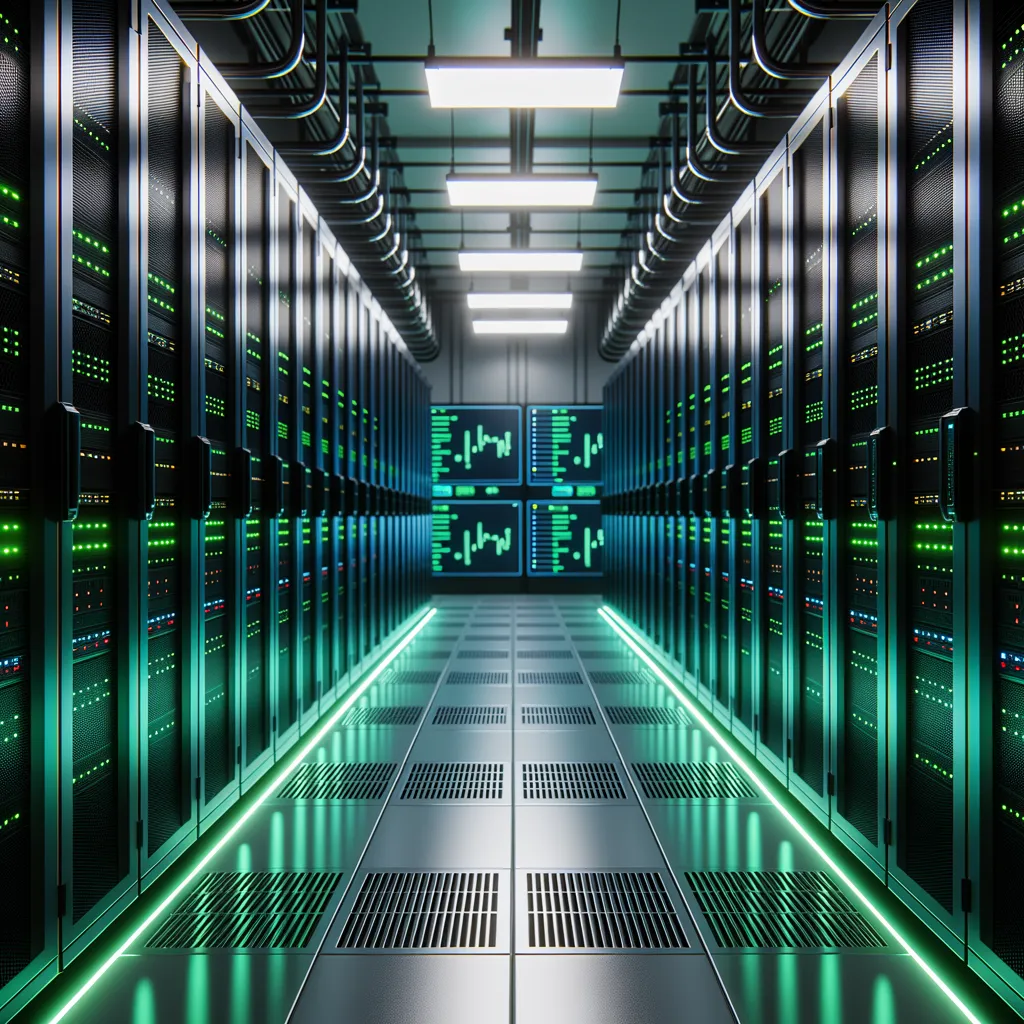
Top DCIM Services for 2023
As organizations increasingly rely on data centers to enable their operations, identifying the optimal Data Center Infrastructure Management (DCIM) platforms for 2023 proves vital. Prominent DCIM platforms deliver thorough approaches crafted to enhance resource management, improve operational efficiency, and guarantee robust monitoring capabilities. Notable contenders in the market include ServiceNow, celebrated for its integration capabilities, and Sunbird, which excels in real-time visualization and reporting. Additionally, Schneider Electric offers a powerful platform for energy management and asset tracking.
Another important competitor, Nlyte, specializes in enhancing data center performance through advanced analytics. These solutions not only enable better decision-making but also assist with forecasting upcoming needs. As data demands continue to increase, selecting a DCIM service that offers flexibility and adaptability is critical. Ultimately, companies must assess their particular needs to choose the most suitable DCIM service, ensuring peak efficiency and dependability in their data management strategies.
Understanding Data Center Infrastructure Management (DCIM)
Data Center Infrastructure Management (DCIM) covers a collection of instruments and practices created to monitor, manage, and optimize data center assets. By combining IT and infrastructure oversight, DCIM delivers comprehensive visibility into the performance and utilization of critical assets. This approach enables immediate information gathering, allowing operators to take knowledge-based actions regarding energy consumption, temperature management effectiveness, and area allocation.
DCIM offerings regularly include capabilities like asset tracking, capacity planning, and system monitoring, which collectively strengthen operational efficiency. They furnish operational leaders to identify bottlenecks, streamline workflows, and decrease overhead expenses. In addition, DCIM supports strategic planning for future expansions and enables organizations to meet regulatory standards. By deploying successful DCIM practices, data centers can secure higher reliability, enhanced eco-friendliness, and heightened total output, ultimately enabling enhanced service delivery in a rapidly evolving digital landscape.
Key Elements for Picking Powerful DCIM Services
Identifying efficient Data Center Infrastructure Management (DCIM) services requires thorough consideration of essential features that improve operational efficiency and asset optimization. Key characteristics encompass real-time tracking features, allowing immediate insight into energy consumption and environmental conditions. Connectivity with existing systems is also vital, as seamless communication promotes a unified approach to data management.
Scalability represents a key feature, allowing organizations to adapt as their infrastructure expands and evolves. Advanced analytics can deliver forecasting intelligence, facilitating active planning and reducing downtime. Intuitive dashboards enhance accessibility for various stakeholders, while robust security measures safeguard sensitive data.
Finally, customization options ensure that DCIM services can be tailored to meet specific organizational needs. By focusing on these critical components, companies can choose DCIM services that not only optimize performance but also contribute to sustained growth and operational success.
Determining the Most Suitable DCIM System to fit Your Specific Situation?
In what way can an organization determine the best DCIM solution suited to its particular needs? The selection methodology starts off with a exhaustive examination of existing infrastructure and procedural requirements. Organizations should define targeted goals, such as boosting uptime, promoting resource consumption, or perfecting capacity planning. Additionally, considering scalability is necessary; a solution must evolve to ensuing growth and technological advancements.
Thereafter, entities must evaluate integration capabilities. The ideal DCIM solution should operate smoothly with existing tools and platforms. Usability also is vital; intuitive interfaces encourage user embrace and operational efficiency.
Furthermore, companies should research vendor support and community involvement, as continuous support and resources can be substantial. Ultimately, conducting a financial evaluation ensures that the chosen solution complies with budget constraints while providing the expected benefits. By adhering to these steps, organizations can confidently select a DCIM solution that satisfies their specific demands and enhances general efficiency.
Implementing DCIM Utilities to Strengthen Energy Efficiency
By implementing DCIM tools, you can significantly improve energy efficiency within data centers. Through providing comprehensive insights into energy usage and thermal dynamics, these tools enable operators to spot waste and optimize resource distribution. With current data on power consumption, data center managers can take educated decisions about equipment placement and cooling strategies, ensuring that energy is not wasted.
DCIM platforms also support automation in monitoring and managing power loads, allowing for dynamic adjustments based on current demand. This adaptability can lead to significant reductions in energy costs. In addition, intelligent analytics within DCIM tools can detect areas for further enhancement, supporting proactive measures rather than reactive solutions.
Weaving these tools into standard practices nurtures a culture of relentless progress, ultimately achieving a more sustainable data center environment. The result is not only enhanced efficiency but also a smaller ecological impact, syncing with overarching sustainability aims.
Continuous Oversight : The Critical Infrastructure of DCIM Achievement
Real-time supervision represents a paramount element in the success of Data Center Infrastructure Management (DCIM). By supplying upgraded performance metrics, it makes possible proactive problem discovery and streamlining of resource consumption. This trait conclusively adds to greater operational productivity and robustness within data centers.
Optimized Performance Metrics
Tracking infrastructure facility performance is vital for boosting performance and preserving dependability. Advanced operational metrics offer essential intelligence into various infrastructure elements, including power usage effectiveness, cooling system efficiency, and capacity planning. By utilizing real-time data, businesses can review their system's operational status and adaptability, supporting strategic decision-making. Metrics including uptime measurements, response delay, and data flow support detect new trends and evaluate growth needs. Furthermore, these measurements build team accountability across departments, informing strategic direction and capital allocation. Regular evaluation of operational data aids not just in comparison to industry best practices while nurtures an environment of perpetual advancement. In the end, superior performance metrics function as a key basis of efficient data center infrastructure operations, generating both operational superiority and business advantage.
Active Issue Detection
Proactive issue detection plays a crucial role in maintaining the stability of data center operations. By leveraging real-time monitoring tools, data centers can identify potential problems before they escalate into critical failures. This strategy allows teams to act quickly to anomalies in temperature, power consumption, and system functionality. Ongoing monitoring guarantees that any deviations from established norms are flagged right away, permitting for timely interventions. As a consequence, the overall reliability of the framework is enhanced, reducing downtime and maintaining service quality. Moreover, proactive detection supports strategic planning regarding service plans and resource allocation, eventually maximizing system performance. Committing resources in comprehensive tracking systems is indispensable for supporting optimal functioning in today's complex data settings.
Resource Application Advancement
Skilled management of a data center's resources is contingent on the ability to perpetually evaluate and track operational metrics. Real-time monitoring functions as the foundation for bolstering resource utilization, enabling data center managers to identify inefficiencies and provision assets effectively. By harnessing advanced DCIM tools, organizations can procure essential information on power consumption, cooling efficiency, and workload distribution. This data supports for more informed decision-making, ensuring that resources are optimized to their fullest potential. Additionally, real-time analytics foster immediate interventions to changing demands, limiting waste and advancing overall performance. Ultimately, effective resource utilization optimization not only improves operational efficiency but also contributes to sustainability goals, making it a fundamental component of modern data center management strategies.
Emerging Patterns in Data Center Facility Management
As data centers transform to meet heightened needs for streamlining and performance, rising trends in Data Center Infrastructure Management (DCIM) are reconfiguring the environment. One important trend is the merging of AI technology (AI) and machine learning, which strengthens predictive forecasting for planning resources and managing energy. These innovations facilitate real-time tracking and automated adjustments to emerging issues, significantly minimizing outages.
Moreover, the adoption of edge computing is driving a realignment in DCIM frameworks, as businesses seek to execute data closer to its source for superior speed and efficiency. This requires advanced administrative platforms to maintain performance across decentralized environments.
Sustainability is also at the vanguard, with an emphasis on lowering carbon footprints and optimizing resource consumption. Finally, the rise of hybrid cloud solutions requires more advanced DCIM systems that can smoothly manage both on-premises and cloud resources, providing maximum operational efficiency.
Frequently Posed Questions
How Can I connect DCIM With Current Data Center Systems?
To combine DCIM with existing data center systems, one must examine current infrastructure, ensure compatibility, set up APIs for data exchange, and carry out thorough testing to confirm seamless operation and improved management capabilities across platforms.
What Is the Average Expense of Putting Into Action DCIM Solutions?
DCIM solution installation commonly ranges from $20,000 to $150,000 in expense, shifting according to the data center magnitude, system intricacy, and the targeted capabilities required to ensure optimal management.
Are specific compliance standards required for DCIM Services?
Yes, there are particular regulatory requirements for DCIM services, such as ISO 27001 for data protection, PCI DSS for payment card industry standards, and various environmental regulations that direct energy efficiency and sustainability practices within data centers.
What Timeline Should I Maintain for Upgrading My DCIM Software?
Updating DCIM software should occur at useful guide least annually, though quarterly updates are suggested to guarantee peak performance, improved security, and compliance with changing requirements. Regular assessments help identify when updates are necessary for specific organizational needs.
Are DCIM Tools Beneficial for Emergency Preparedness Development?
DCIM tools offer substantial support in emergency preparedness strategy through continuous oversight, asset management, and scenario simulations. This guarantees that data centers are well-equipped for potential disruptions, enhancing overall resilience and contingency approaches.