Best Practices for Environmental Social and Governance
Boosting ESG Compliance: The Role Data Center Infrastructure Accelerates Environmentally-Conscious Business Practices
Boosting corporate responsibility standards in data center services is crucial in today's business landscape. As enterprises face regulatory pressures, the significance of data centers in supporting environmental initiatives becomes critical. Numerous innovations, including high-efficiency temperature controls and renewable energy sources, make a key difference in this evolution. Yet, hurdles continue to exist in reaching these aims. Recognizing these patterns is necessary for any organization striving to succeed in the green tech sector.
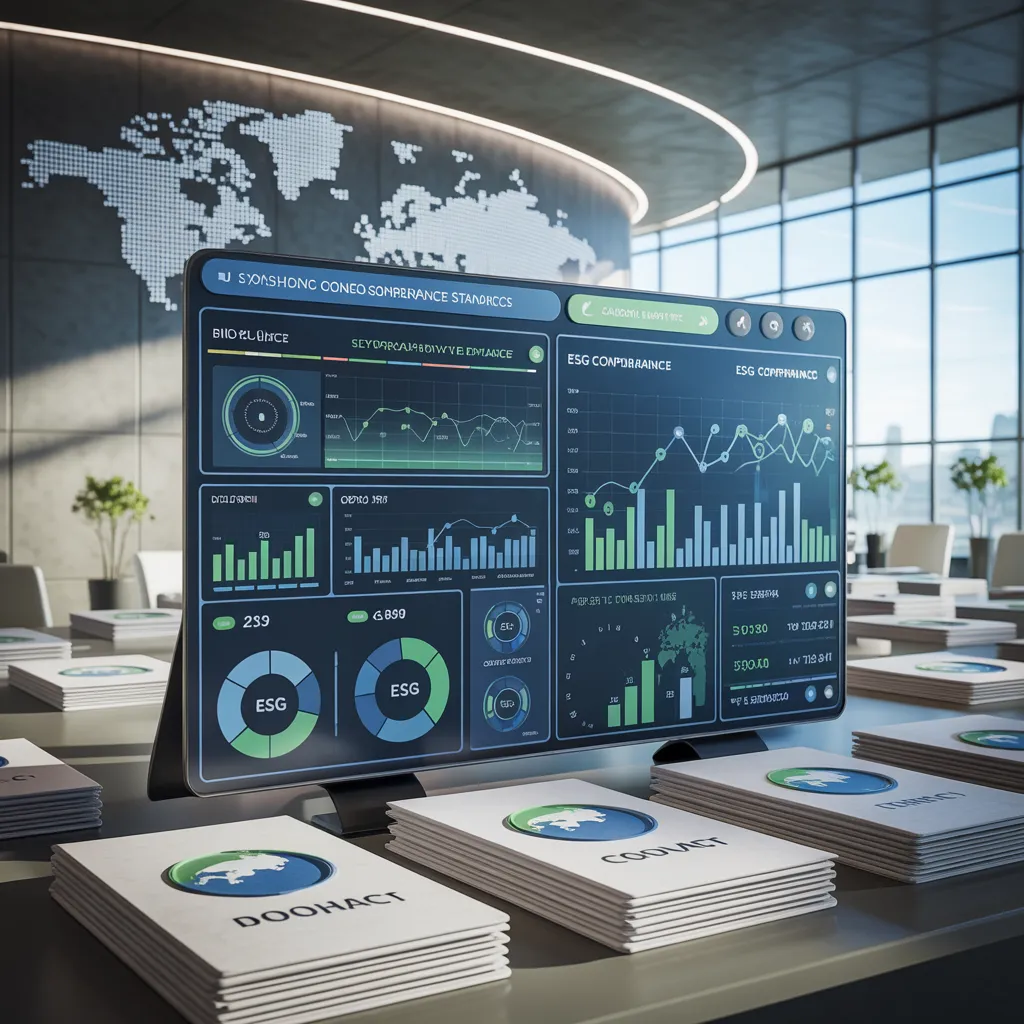
Why ESG Compliance Is Essential for Data Centers
As companies emphasize sustainability, grasping the importance of ESG adherence for data centers becomes essential. ESG, which stands for Environmental, Social, and Governance, acts as a framework to evaluate how companies address risks and opportunities concerning sustainability. For data centers, adherence with ESG standards is essential, as these centers expend significant energy and resources. By adhering to ESG principles, data centers can substantially lower their environmental footprint, enhance performance levels, and foster social accountability.
Furthermore, ESG adherence can boost a data center's reputation, bringing in environmentally conscious clients and investors. As regulatory frameworks shift, organizations encounter increased demands to demonstrate accountability and transparency in their processes. Failure to comply could cause financial penalties and reputational harm. In the end, integrating ESG factors into data center operations is not simply a regulatory obligation; it is a key priority for long-term sustainability and market competitiveness in a fast-moving market.
Primary Systems Boosting Sustainable Data Center Operations
Sustainable data center operations are increasingly influenced by key technologies concentrated on power optimization and sustainable energy adoption. Innovations in temperature control and energy distribution are improving energy utilization, while the adoption of solar and wind energy sources is reducing carbon footprints. Together, these advancements are creating a more environmentally responsible approach to data center operations.
Sustainable Energy Solutions
A substantial reformation in data center operations is supported by energy efficiency technologies that leverage advanced technologies. These technologies include next-generation cooling systems, such as liquid cooling and immersion cooling, which greatly reduce energy consumption compared to traditional methods. Additionally, the introduction of artificial intelligence and machine learning optimizes resource allocation, reinforcing operational efficiency. Smart power distribution units (PDUs) monitor and manage energy use dynamically, further reducing waste. Furthermore, virtualization techniques allow for better server utilization, reducing the need for physical hardware. Together, these upgrades contribute to lower carbon footprints and operational costs, aligning data centers with conscientious business practices while meeting regulatory ESG compliance requirements. Consequently, energy efficiency innovations play an essential role in shaping the future of sustainable data center operations.
Clean Energy Combination
Integrating renewable energy sources is fundamental for advancing sustainable data center operations. Data centers increasingly rely on solar, wind, and geothermal energy to supply power to their facilities, significantly lowering carbon footprints. Technologies such as energy storage systems, including lithium-ion batteries, help in managing energy supply and demand, ensuring uptime during periods of limited renewable generation. Additionally, advanced energy management software optimizes energy consumption through studying usage patterns and responding to real-time conditions. Many data centers are also exploring Power Purchase Agreements (PPAs) that secure long-term renewable energy contracts, supporting financial stability while facilitating green energy growth. By using these technologies, data centers not only boost their sustainability but also contribute to wider ESG compliance efforts, coordinating business practices with environmental responsibility.
Boosting Energy Efficiency to Reduce Ecological Effect
Boosting energy efficiency is paramount for data centers determined to diminish their environmental footprint. This can be obtained through innovative infrastructure design, next-generation thermal solutions, and the integration of sustainable energy options. By stressing these areas, data centers can elevate sustainability while maintaining system performance.
Energy-Saving Infrastructure Architecture
Establishing low-energy infrastructure represents a critical method for data centers working to reduce their environmental impact. By using premium materials, refining designs, and integrating renewable energy sources, data centers can significantly lower energy usage. Installing energy-saving lights and smart energy management systems additionally boosts performance quality. Moreover, comprehensive power control systems provide continuous monitoring, permitting data centers to identify and address performance gaps swiftly. The adoption of adaptable architectures can equally enable scalability while maintaining energy efficiency. In the end, these facility improvements not only support compliance with environmental, social, and governance (ESG) standards but also support enduring sustainability. Via intentional planning, data centers participate in a cleaner tomorrow while maximizing their overall performance metrics.
Cutting-edge Climate Control Technologies
Advanced heat management approaches are essential in maximizing power efficiency within data centers while reducing their ecological footprint. Innovations like fluid cooling solutions, which convey heat immediately from vital parts, significantly lower energy consumption compared to traditional air cooling techniques. Furthermore, automated cooling technologies use measurement devices and AI algorithms to dynamically adjust cooling according to real-time demand, enhancing power utilization. The use of natural cooling strategies leverages climatic factors, enabling data centers to work optimally without depending only on engine-driven cooling. By embracing these modern cooling methods, organizations can achieve considerable drops in PUE, ultimately aiding in reduced environmental emissions and creating a more eco-conscious operational impact.
Sustainable Energy Integration
The integration of renewable energy sources into data center activities represents a significant step towards reaching environmental goals. By leveraging solar, wind, and hydroelectric power, data centers can significantly reduce their greenhouse gas emissions. These facilities are progressively adopting energy-efficient technologies that optimize power usage, such as advanced power management systems and smart grid solutions. Additionally, incorporating energy storage solutions allows for improved management of renewable energy supply, ensuring a stable power flow even during fluctuating conditions. This change not only lowers operational costs but also enhances compliance with Environmental, Social, and Governance (ESG) standards. Ultimately, renewable energy integration promotes a greener approach to data center management, aligning business practices with broader environmental objectives.
Effective Resource Management Techniques for Sustainable Data Centers
While many organizations aim for sustainability, effective resource management techniques are vital for data centers seeking to reduce environmental impact. Implementing advanced cooling systems, such as liquid cooling or free air cooling, can significantly reduce energy consumption. Moreover, adopting virtualization technologies allows for optimal utilization of physical servers, minimizing the need for additional hardware and energy.
Regular monitoring of energy consumption through analytical data examination helps identify inefficiencies and areas for improvement. Additionally, utilizing modular designs enables data centers to adjust capacity according to actual requirements, avoiding overprovisioning.
Implementing a strong waste recovery initiative for electronic waste is crucial for reducing landfill contributions. Moreover, engaging in sustainable procurement practices ensures that all resources acquired meet ecological requirements. Together, these techniques form an all-encompassing strategy for data centers to operate more sustainably, ultimately supporting broader sustainability governance objectives while improving performance productivity.
Presenting ESG Adherence Success Stories in Data Centers
As organizations increasingly dedicate themselves to environmental stewardship, several data centers have surfaced as exemplars of ESG fulfillment, illustrating transformative approaches to environmental stewardship. One notable example is a center in Amsterdam that leverages advanced thermal management approaches, considerably mitigating energy demands while maintaining peak performance. This facility has obtained a 40% decrease in greenhouse gas emissions through the application of renewable sources, such as wind and solar power.
One success story is a data center in Singapore that highlights water conservation by adopting a recycled cooling mechanism, minimizing water usage by 70%. This facility also works alongside local communities to encourage green consciousness and sustainability efforts.
Additionally, a data center in Northern Virginia has adopted strict waste management protocols, channeling over 90% of its waste from landfills. These success stories show how data centers can lead the way in ESG compliance, creating guidelines for sustainable practices in the industry.
What Difficulties Do Data Centers Address in Meeting ESG Compliance?
Achieving environmental, social, and governance compliance entails various obstacles for data centers, even with the inspiring illustrations of success provided earlier. A major hurdle is the high energy consumption used in data center operations, which causes significant carbon footprints. Many centers face difficulties in implementing renewable energy solutions because of financial constraints or infrastructural barriers. Moreover, regulatory requirements vary widely across regions, making compliance a complex, fragmented process that necessitates constant monitoring and adaptation.
A further problem pertains to the incorporation of environmentally responsible approaches within ongoing business activities. Data centers regularly encounter obstacles in refitting aged facilities to comply with modern ESG requirements. Moreover, the shifting essence of technology mandates consistent funding in upgrades, which can tax budgets. Additionally, workforce training and cognizance regarding ESG principles are critical yet often neglected, further complicating progress toward sustainability goals. These obstacles demonstrate the importance of strategic foresight and innovation in data center operations to achieve meaningful ESG compliance.
Emerging Patterns in Data Center Environmental Responsibility and ESG Standards
Rising trends in data center sustainability and ESG compliance are poised to reshape the industry landscape markedly. The increasing adoption of alternative energy sources, such as solar and wind, is a central concern, as data centers work to minimize their carbon footprints. Additionally, the merging of state-of-the-art cooling systems, including liquid cooling and free-air cooling, is building expert tips momentum to strengthen energy efficiency.
In addition, the proliferation of artificial intelligence and machine learning in resource planning empowers data centers to optimize operations, reducing waste and optimizing energy consumption. Regulatory frameworks are also advancing, compelling organizations to execute more exacting ESG standards.
As stakeholders demand greater transparency, data centers will increasingly integrate blockchain infrastructure to verify traceability in their sustainability efforts. As a whole, these currents will not only fuel compliance but also spark progress, marking data centers as standard-setters in the shift to a more sustainable digital economy.
Frequently Asked Questions
How Can Smaller Data Centers Boost Their ESG Conformance Strategies?
Small data centers can improve ESG conformance by introducing economical-energy tools, implementing waste reduction strategies, maximizing resource usage, and conducting transparent reporting. Alliance with involved parties further strengthens their obligation to sustainable operational practices and oversight.
What Influence Do Interested Parties Offer in Data Center Environmental Social Governance Efforts?
Stakeholders play a critical role in data center ESG initiatives by offering perspectives, support, and oversight. Their involvement promotes teamwork, guaranteeing that environmental objectives align with operational practices and community expectations, ultimately enhancing overall compliance and effectiveness.
Do Data Centers Have Credentials That Emphasize ESG Compliance?
Yes, numerous qualifications exist for data centers highlighting ESG compliance, such as ISO 14001 for ecological stewardship and LEED for energy efficiency. These credentials help assure that centers meet environmental benchmarks and stakeholder demands.
In What Ways Does ESG Compliance Shape Data Center Costs and Pricing?
ESG compliance can increase data center costs due to investments in eco-friendly technologies and practices. However, it may also result in long-term cost reductions and improved rate strategies by drawing in green-minded clients and enhancing brand reputation.
What Frequent Myths Relate to Environmental, Social, and Governance in Data Centers?
Common false assumptions about ESG in data centers encompass the belief that meeting standards is primarily a cost, that it has no bearing on operational performance, and that it is limited to large enterprises, disregarding smaller entities' obligations.